Choosing the right microphone is one of the most important decisions you'll make when starting a podcast. Audio quality can make or break your listener's experience, and with so many options available in 2025, it's crucial to understand what you actually need.
Why Your Microphone Choice Matters
Poor audio quality is the number one reason listeners abandon podcasts. Even the most compelling content won't retain an audience if it's difficult to hear or unpleasant to listen to. A quality microphone ensures your voice is captured clearly, with minimal background noise and natural tonality.
Dynamic vs Condenser Microphones
The first major decision you'll face is choosing between dynamic and condenser microphones. Each type has distinct characteristics that make it suitable for different recording environments and applications.
Dynamic Microphones
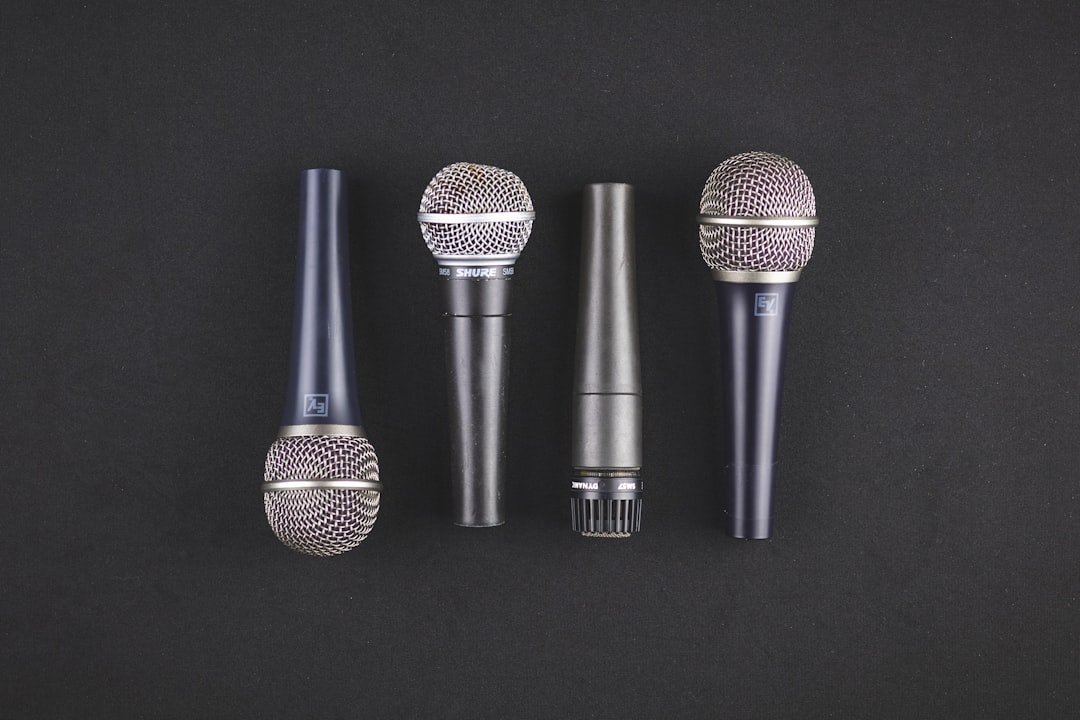
Dynamic microphones are incredibly durable and excellent at rejecting background noise. They're ideal for untreated rooms or environments where you can't control ambient sound. Popular choices include the Shure SM7B and the Rode PodMic. Dynamic mics typically require more gain, so you'll need a quality audio interface or preamp to get the best results.
Condenser Microphones
Condenser microphones are more sensitive and capture a wider frequency range, resulting in a more detailed and nuanced sound. They're perfect for treated recording spaces but will pick up more room noise than dynamics. The Rode NT1-A and Audio-Technica AT2020 are excellent condenser options for podcasters.
USB vs XLR Connectivity
Your choice of connectivity will impact your setup's flexibility and future upgrade potential.
USB Microphones
USB microphones plug directly into your computer and include a built-in audio interface. They're convenient, affordable, and perfect for solo podcasters just starting out. The Blue Yeti and Rode NT-USB are popular USB options. However, USB mics limit your ability to upgrade your audio chain and can be challenging for multi-person recordings.
XLR Microphones
XLR microphones require an audio interface or mixer but offer superior sound quality and expandability. You can upgrade your preamps, add processing equipment, and easily record multiple microphones simultaneously. While the initial investment is higher, XLR setups provide professional results and room to grow.
Polar Patterns Explained
Microphone polar patterns determine which directions the mic picks up sound from. For podcasting, you'll typically want a cardioid pattern, which captures sound primarily from the front while rejecting noise from the sides and rear. This helps isolate your voice and reduces room echo.
Budget Considerations
Quality podcast microphones are available at every price point. Entry-level options start around £50, mid-range professional mics range from £150-£400, and premium broadcast microphones can exceed £500. Remember that your microphone is just one part of your audio chain – budget for an audio interface, cables, and a boom arm or stand as well.
Essential Accessories
Don't overlook essential accessories that protect your investment and improve your recordings. A pop filter reduces plosive sounds from 'P' and 'B' consonants. A shock mount isolates your microphone from vibrations and handling noise. A quality boom arm positions your mic correctly while freeing up desk space.
Room Treatment Matters
Even the best microphone can't compensate for a poor recording environment. Consider basic acoustic treatment like foam panels or moving blankets to reduce echo and reflections. Recording in a smaller room with soft furnishings naturally provides better acoustics than a large, empty space.
Testing Before You Buy
If possible, rent or test microphones before purchasing. What sounds great for one voice might not suit another. Many equipment rental services, including ProNoriave, offer short-term rentals that let you try different microphones with your actual setup before committing to a purchase.
Our Top Recommendations for 2025
For beginners on a budget, the Audio-Technica ATR2100x offers exceptional value with both USB and XLR connectivity. Intermediate podcasters should consider the Shure SM58 or Rode PodMic for dynamic options, or the Rode NT1 for condenser. Professional broadcasters will appreciate the Shure SM7B or Electro-Voice RE20.
Conclusion
Choosing the right podcast microphone depends on your budget, recording environment, and future plans. Dynamic microphones excel in untreated spaces, while condensers provide detailed sound in controlled environments. USB mics offer convenience, but XLR setups provide professional quality and expandability. Consider trying before buying, and remember that proper technique and room treatment are just as important as the microphone itself.
Ready to upgrade your podcast audio? Contact ProNoriave to discuss rental options or get expert advice on choosing the perfect microphone for your needs.